We provide you with the best medicine purchasing service
Quickly morph client-centric results through performance based applications. Proactively facilitate professional human capital for cutting-edge.
Download Now
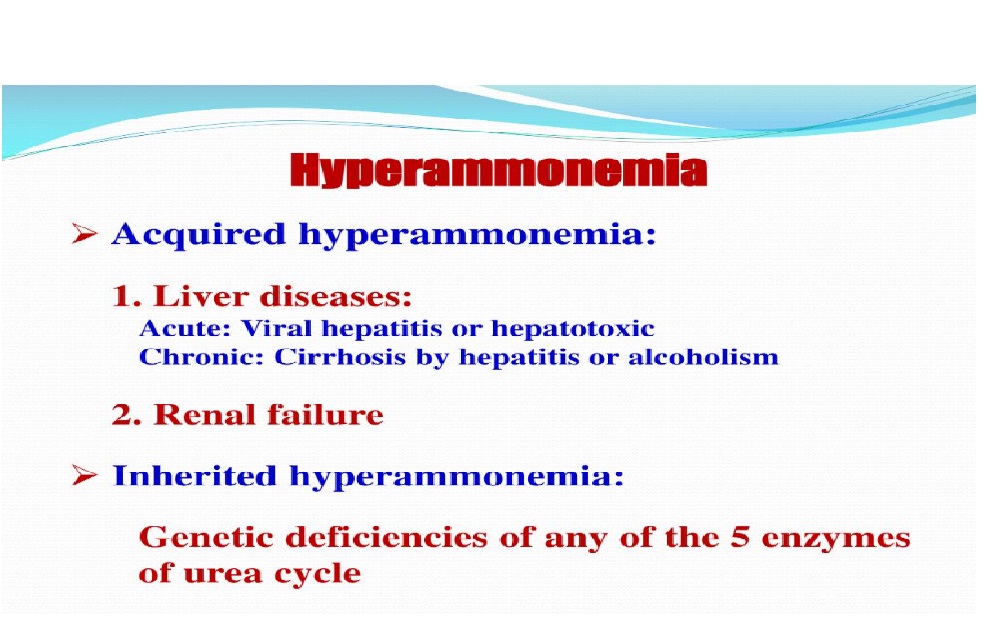
ACUTE MANAGEMENT OF PRIMARY HYPERAMMONEMIA
|
Ammonia level (µmol/l) |
Undiagnosed case |
Known urea cycle disorders |
|
Above upper limit of normal |
|
Same |
|
>100 but less than 250( in neonate >150 but <250) |
|
|
|
250-500 |
|
Same |
|
> 500 |
Start hemodialysis with above measure |
Same |
Recommended dosages for medications used in acute management of urea cycle disorders
|
|
Arginine HCl |
Ammonul® |
N-carbamylglutamate (Carbaglu®) |
||
|
Kg |
<20kg |
>20kg |
<20 kg |
>20kg |
Only oral/enteral drug) |
|
Pending diagnosis |
250-400mg/kg. Up to 600mg/kg was recommended |
250-400 mg/kg Up to 600mg/kg was recommended |
250mg/kg
|
5.5gram/m2 |
100mg/kg bolus per NG tube then 25–62.5mg/kg every 6h |
|
NAGS deficiency |
250mg/kg |
250mg/kg |
Not indicated |
Same as above |
|
|
CPS or OTC deficiency |
250mg/kg
|
250mg/kg or 4000mg/m2/day |
250mg/kg Maintenance dose up to 500mg/kg/day |
5.5gram/m2 |
Not indicated |
|
ASL deficiency |
200-400mg/kg. Up to 600mg/kg was recommended. |
200-400mg/kg or 12000mg/m2/day |
Same as above |
Not indicated |
|
|
Arginase deficiency |
Not indicated |
Same as above |
Not indicated |
||
Normal ammonia level by age
|
Age |
Upper limit (umol/l) |
|
0-7 day |
94 |
|
8-30 days |
80 |
|
1 m-15yr |
48 |
|
>16 |
26 |
Secondary hyperammonemia:
Can be due to inborn errors of metabolism such as organic acidemia and fatty acids oxidation defects or drugs or other metabolites that may interfere with urea cycle function, or severe liver disease. Laboratory studies can help to distinguish the underlying primary defect and cause of hyperammonemia and guide appropriate treatment.
Caution:
False positive hyperammonemia is not uncommon, therefore, several precaution should be taken in consideration when collecting blood sample to measure ammonia:
- A free-flowing venous (or arterial) blood sample without tourniquet should be collected into green-top tube (containing lithium or heparin).
- The sample should be transported on ice to the laboratory, separated within 15 minutes of collection and analyzed immediately.
